Your Skin Deserves Better Than Drugstore Body Wash
Here’s Why Thousands Are Making the Switch to Handcrafted Skincare Walk into any big-box store and you’ll find an entire

Let’s begin with a slightly uncomfortable truth.
There is no such thing as a “healthy glow” from the sun. There is only your skin politely screaming, “I have been injured.” 😬
According to board-certified dermatologist Dr. Shireen Idriss, there is no safe tan. Any pigmentation change, whether it is a freckle, a “base tan,” or that little bronze moment you feel proud of, is evidence that UV rays have already interacted with your skin and caused DNA damage.
Yes. Even the “cute” freckles.
Before we spiral, let’s talk about why sunscreen matters and how to choose one without needing a PhD in Cosmetic Chemistry.
UV radiation from the sun penetrates the skin and can damage cellular DNA. That damage accumulates over time and contributes to aging and skin cancer development.
The American Academy of Dermatology confirms that ultraviolet radiation is a major risk factor for skin cancer and premature skin aging.
Source: https://www.aad.org/public/diseases/skin-cancer/prevent/sun-protection
The Skin Cancer Foundation is equally clear that UV exposure is the leading cause of most skin cancers.
Source: https://www.skincancer.org/skin-cancer-prevention/sun-protection/
A tan is not a health badge. It is a biological “incident report.” 📋
Skin cancer is the most common cancer in the United States. Daily sunscreen use significantly reduces the risk of developing squamous cell carcinoma and melanoma.
The CDC outlines UV exposure as a preventable risk factor for skin cancer:
https://www.cdc.gov/cancer/skin/basic_info/prevention.htm
Translation: sunscreen is not cosmetic. It is preventative healthcare.
Collagen is the structural protein that keeps skin firm and smooth. UVA rays penetrate deeper into the skin and contribute to collagen degradation.
This leads to:
The National Institute on Aging discusses how UV exposure accelerates visible skin aging:
https://www.nia.nih.gov/health/sun-safety
If you are investing in moisturizers, serums, and creams but skipping sunscreen, that is like brushing your teeth and then eating Oreos without rinsing. Technically you did something helpful, but you undermined it immediately.
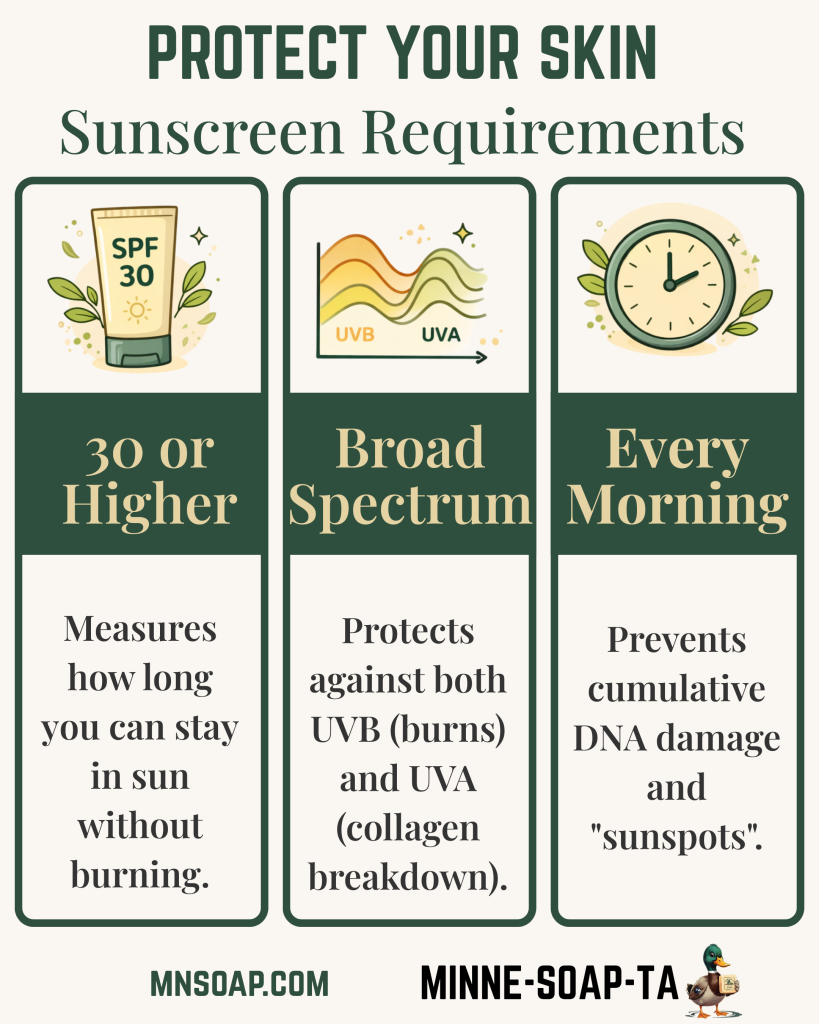
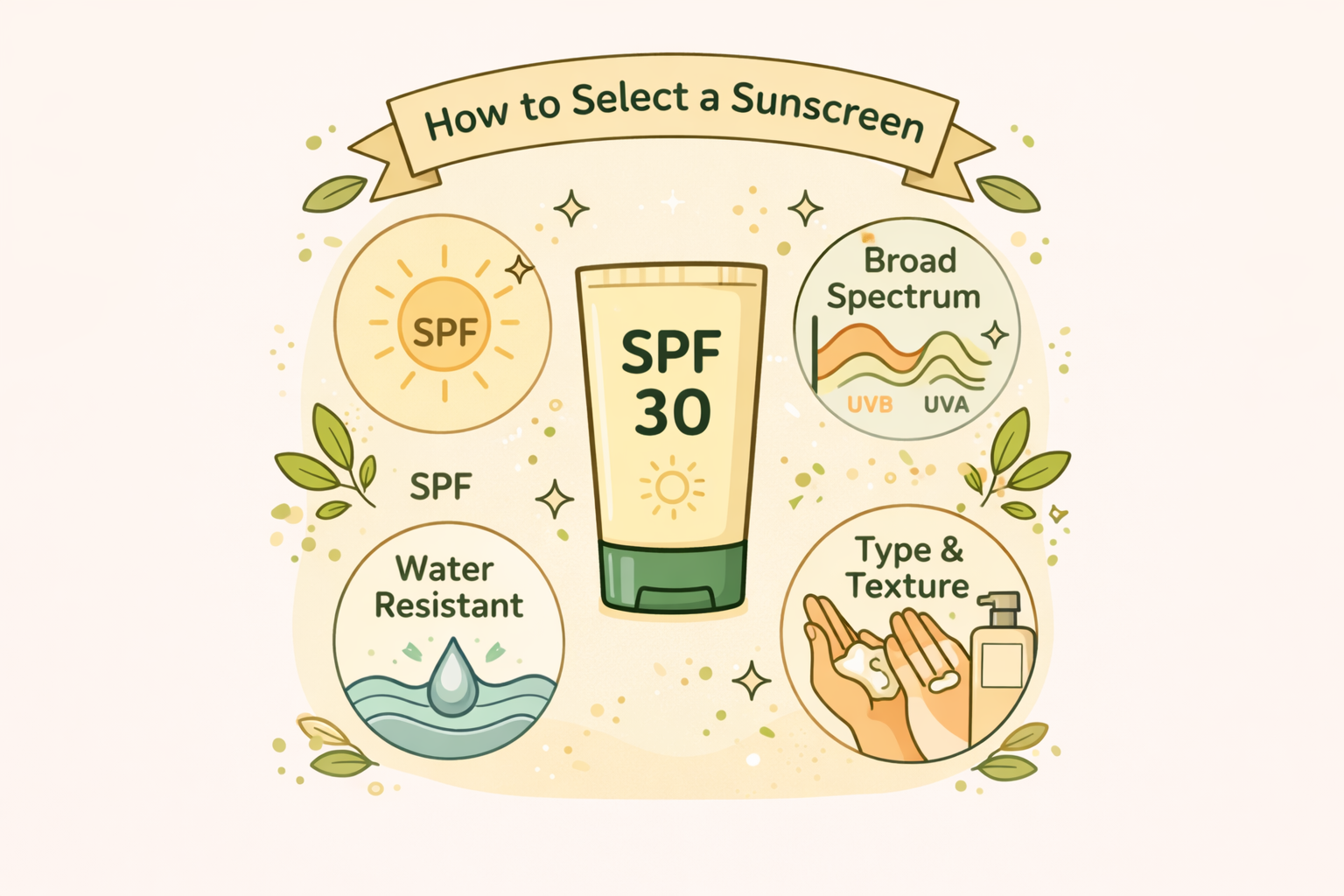
There are approximately 472 sunscreen options at any given store. Here is how to narrow it down efficiently.
This is not optional.
Broad-spectrum means it protects against:
The FDA regulates sunscreen labeling and defines broad-spectrum protection here:
https://www.fda.gov/drugs/understanding-over-counter-medicines/sunscreen-how-help-protect-your-skin-sun
If it does not say “broad-spectrum,” put it back.
SPF stands for Sun Protection Factor.
It measures how much longer you can stay in the sun before burning compared to no protection.
Example:
If you burn in 10 minutes without sunscreen:
Important note: This assumes proper application and reapplication, which most humans do not do perfectly.
The American Academy of Dermatology recommends SPF 30 or higher for daily use.
https://www.aad.org/public/everyday-care/sun-protection/sunscreen/how-to-select-sunscreen
Higher SPF offers incrementally more protection, but the difference between SPF 30 and SPF 100 is not double the protection.
SPF 30 blocks about 97 percent of UVB rays.
SPF 50 blocks about 98 percent.
So yes, more is better. But application and consistency matter more.
You can simplify your morning routine.
This reduces friction in your routine. Fewer steps equals higher compliance. Higher compliance equals protected skin.
Efficiency is underrated.
Here is the real reason most people skip sunscreen:
They hate how it feels.
The key to building a daily habit is finding a formula you actually enjoy wearing.
Try:
Test until one feels invisible enough that you forget about it.
Habit formation > perfection.
You do not need to:
You do need to:
Even on cloudy days, UV rays penetrate. Even in Minnesota. Yes, even in winter.
Snow reflects UV radiation. The sun does not clock out in January. ❄️
I am not a dermatologist. I do have an Ed.D. in Biology and have studied the human body extensively. Everything shared here is based on research I have reviewed and summarized from reputable medical sources.
This blog is educational. It is not medical advice.
But biologically speaking, sunscreen is one of the most evidence-backed skincare steps you can take.
If you do nothing else for your skin, wear sunscreen.
🌞It protects your DNA.
🌞It lowers cancer risk.
🌞It preserves collagen.
🌞It slows visible aging.
And frankly, your future face would like a word if you skip it. ☀️
Here’s Why Thousands Are Making the Switch to Handcrafted Skincare Walk into any big-box store and you’ll find an entire
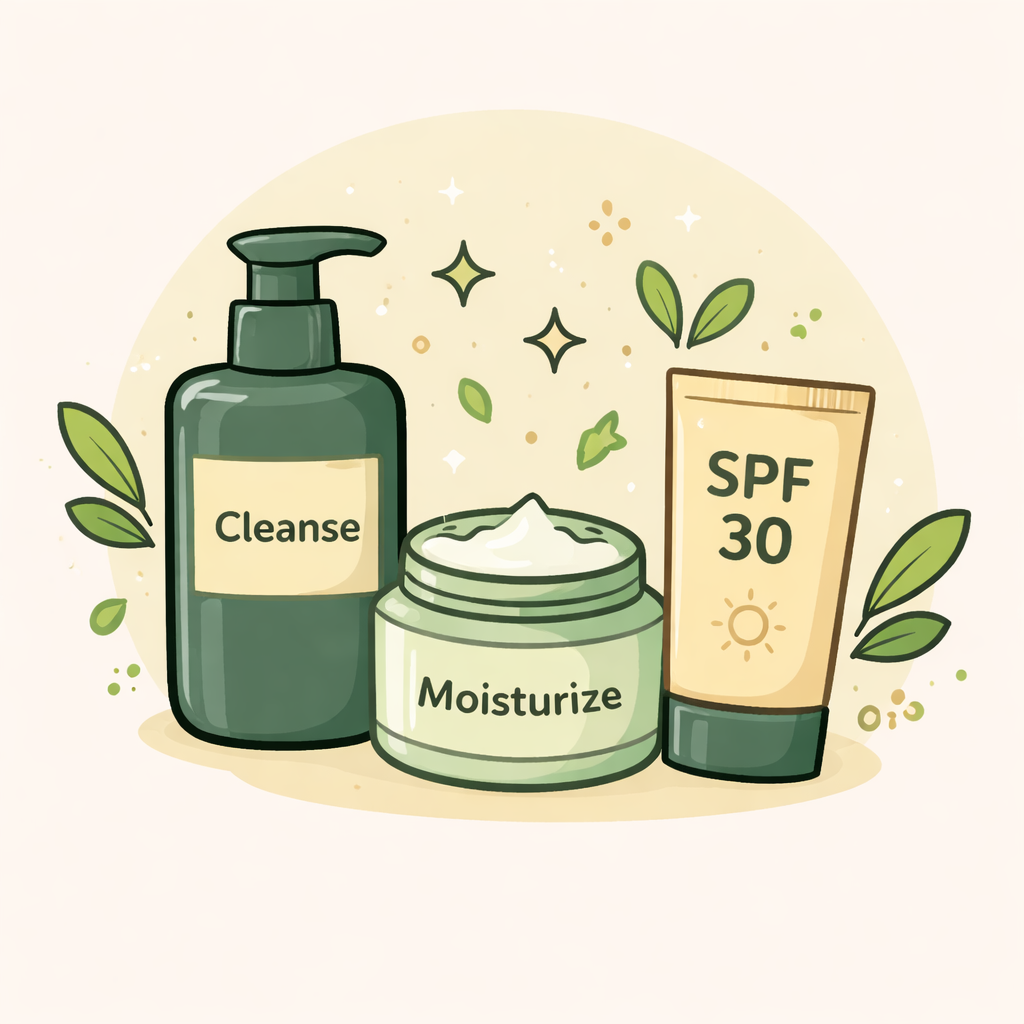
At Minne-Soap-Ta, we believe skincare should feel good, work well, and not require a 12-step spreadsheet to manage. Recently, board-certified