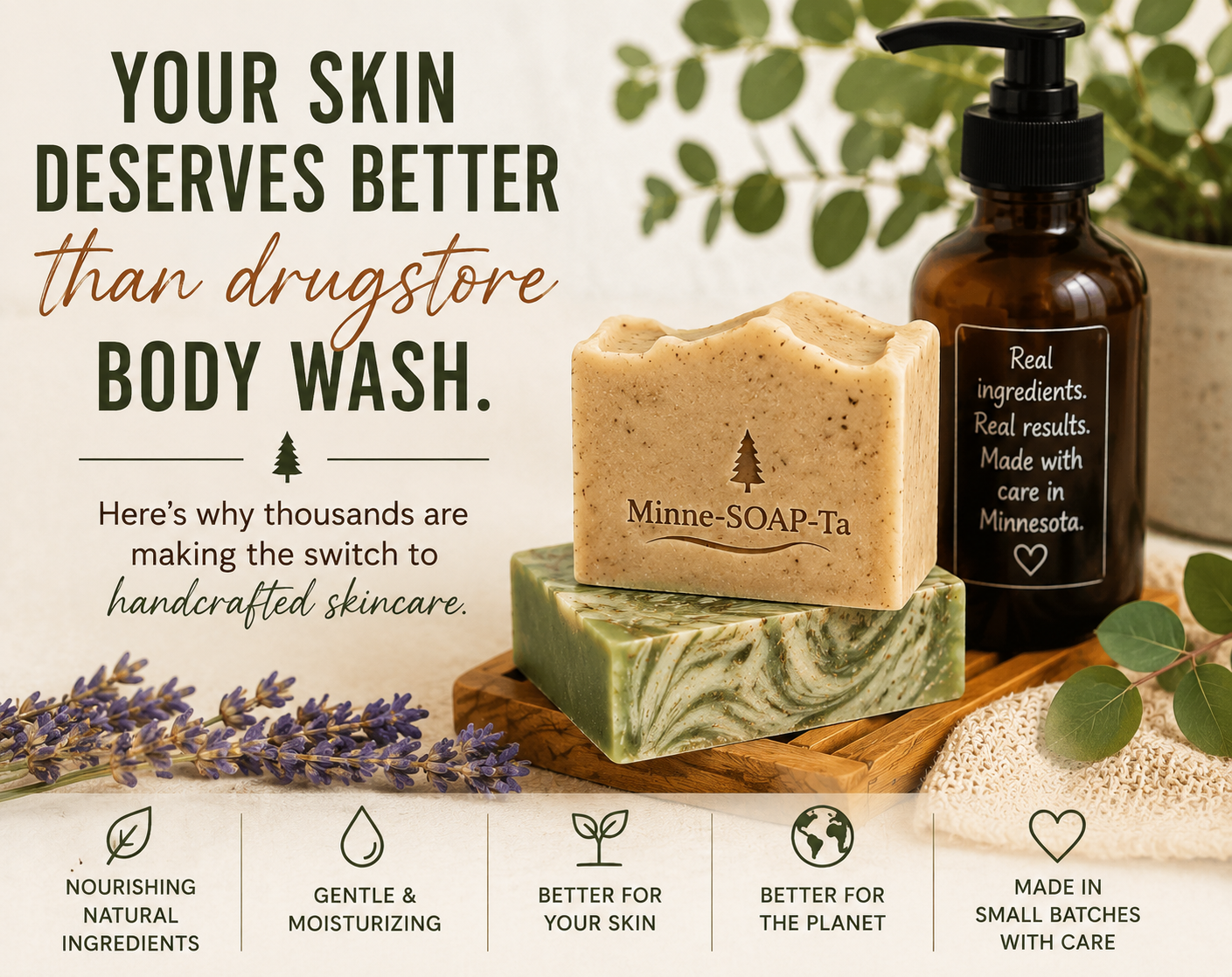
Your Skin Deserves Better Than Drugstore Body Wash
Here’s Why Thousands Are Making the Switch to Handcrafted Skincare Walk into any big-box store and you’ll find an entire

Harsh wind, biting cold, dry indoor heat, long shifts, workouts, and Minnesota living can leave skin feeling tight, rough, and worn out. The good news is that small, targeted applications of moisturizers, balms, and body butters can make a noticeable difference. Dermatologists commonly recommend moisturizing regularly, and applying moisturizer when skin is still slightly damp after washing to help lock in hydration. American Academy of Dermatology guidance is a solid place to start.
Moisturizers support your skin barrier by combining ingredients that soften skin and reduce water loss. One common category is emollients, which help smooth and comfort dry, irritated skin. Cleveland Clinic describes emollients as ingredients in creams, lotions, and ointments that form a film on skin to relieve dryness and scaling.
In colder, drier conditions (and with indoor heating), skin often dries out more easily. Mayo Clinic notes that dry skin can be triggered by cold or dry weather, harsh soaps, and overbathing. :contentReference[oaicite:2]{index=2} Practical home tips often include adding moisture back to the air with a humidifier. Mayo Clinic Health System highlights humidifiers as a winter strategy to combat dry skin.
The takeaway: you do not need to slather everything on everywhere. A small amount, applied to the right spots at the right time (especially right after washing), can go a long way.
For very dry, irritated, or eczema-prone skin, organizations like the National Eczema Association often emphasize that thicker creams and ointments can be especially effective at sealing in moisture and keeping irritants out.
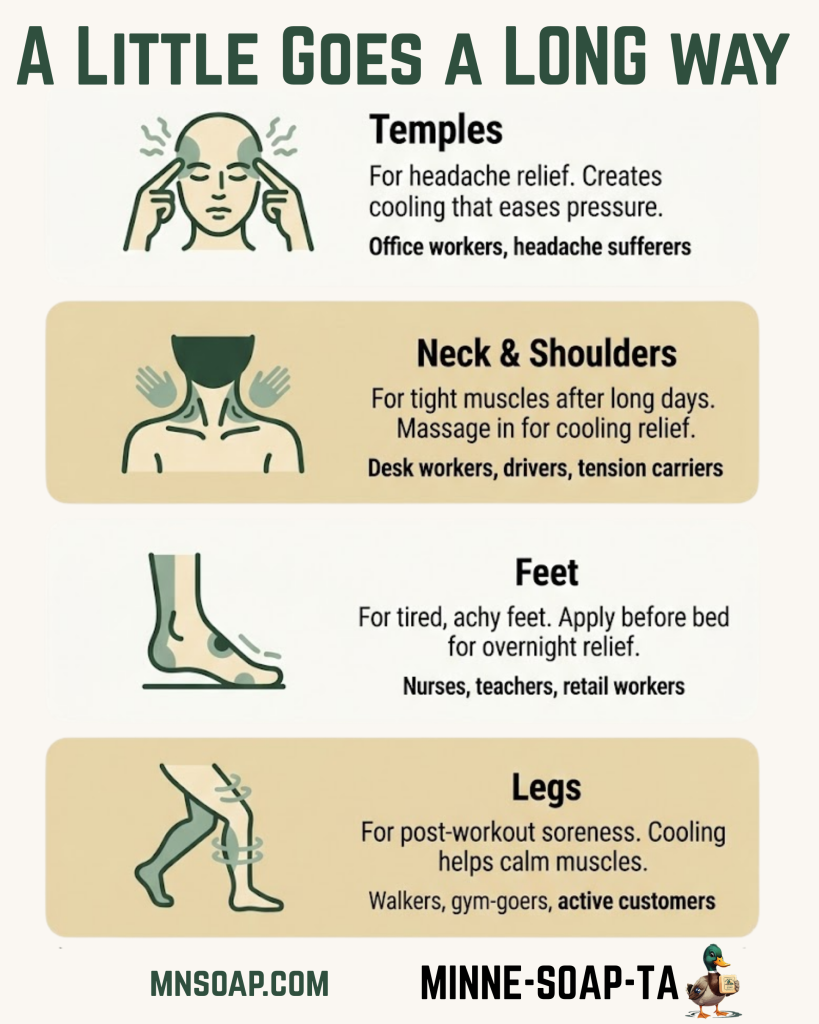
Use a tiny amount and massage gently in small circles. This is a good place for a lighter, soothing product so it absorbs quickly and does not feel heavy. If your skin is wind-chapped around the face, frequent, gentle moisturizing can help support comfort and hydration.
This area takes a beating from posture, stress, and cold air. Apply a small amount and massage downward from the base of the skull into the shoulders. Keep it simple: consistency beats quantity.
Feet love a richer layer at night. Apply lotion first, then follow with a butter or balm where skin is rough. Emollient ointments can leave a thicker film and may last longer on the skin, which is useful for stubborn dryness.
Tip: socks after application can help reduce rub-off onto sheets.
Legs often get dry and itchy in winter, and they also take friction from clothing. Apply after a shower while skin is still slightly damp, then reapply to any rough patches as needed.
If you want to build a simple routine, start with a daily lotion, then keep a richer butter or balm for the spots that need extra help. Browse the full collection here: Body Lotions & Balms.
If you deal with frequent irritation or eczema flare-ups, thicker moisturizers can help seal moisture in. The National Eczema Association provides a helpful overview of why creams and ointments are often more effective than lighter textures for keeping moisture in.
This post is for general skincare education and is not medical advice. If you have persistent cracking, severe irritation, or worsening symptoms, consider checking in with a healthcare professional.
Ready to build your “little goes a long way” routine? Start here: Minne-SOAP-Ta Lotions & Balms.
Here’s Why Thousands Are Making the Switch to Handcrafted Skincare Walk into any big-box store and you’ll find an entire
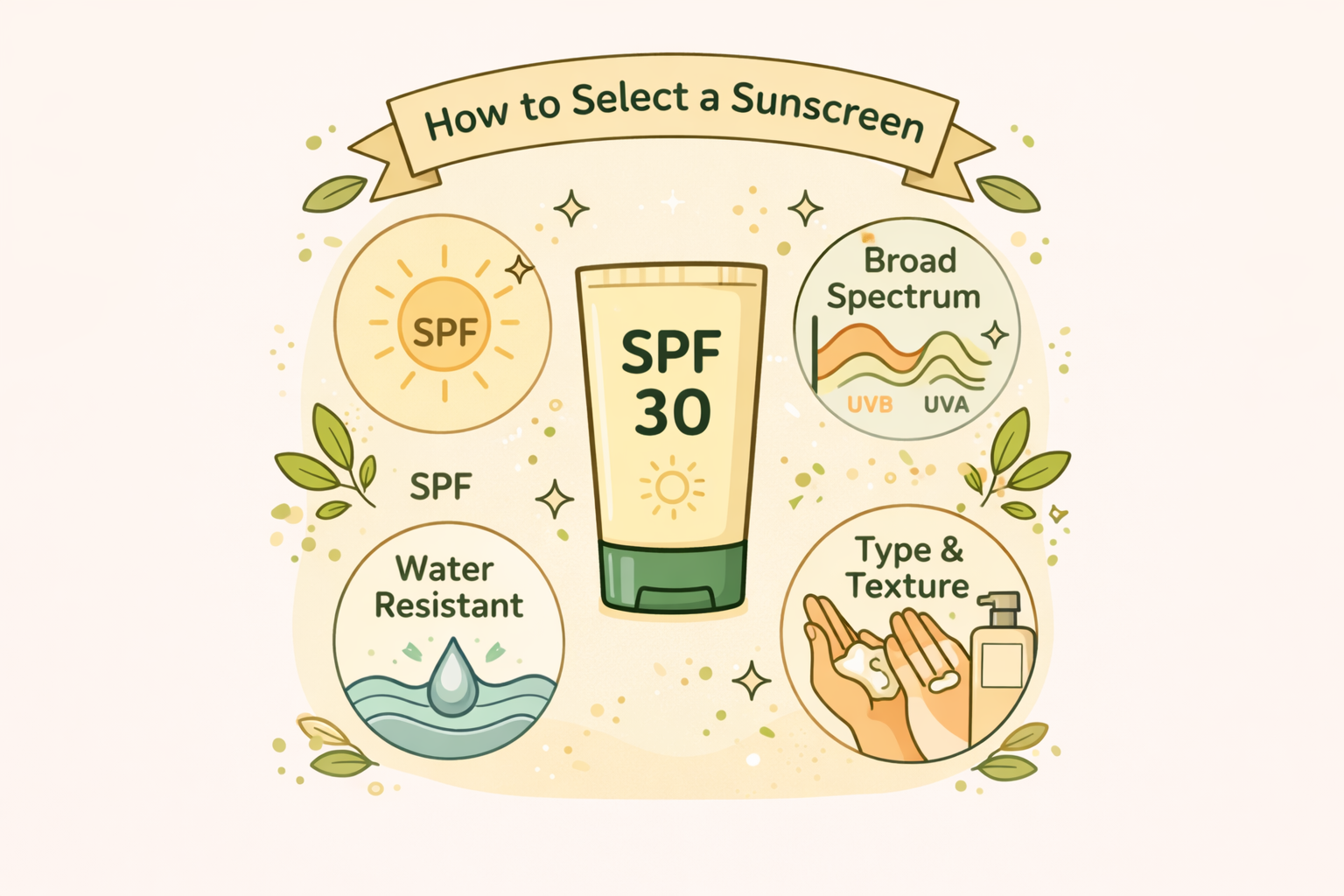
And Why Your Future Face Is Begging You to Wear It Let’s begin with a slightly uncomfortable truth. There is